Full-Service Logistics: Ace Your Shipping!
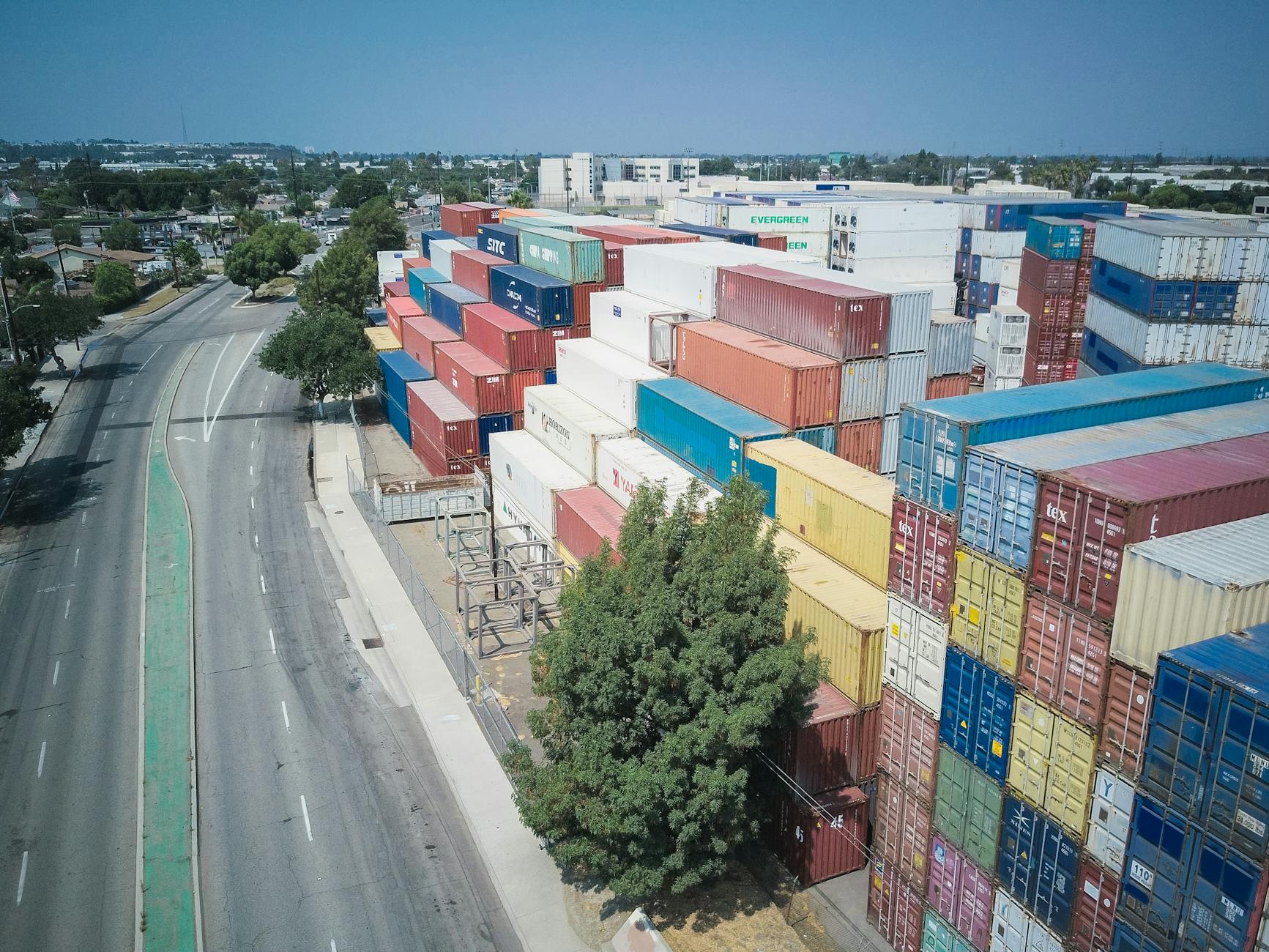
The world of shipping and logistics can be incredibly complex, with a myriad of factors to consider to ensure that your goods reach their destination efficiently and safely. It is not just about getting an item from point A to B; logistics involves detailed planning, execution, and continual optimization to meet customer demands and business goals. Our full-service logistics guide is designed to educate you on the ins and outs of mastering your shipping process. Let's dive into some strategies to help you streamline your operations and deliver success.
Understand Your Shipping Needs
Before you can improve your logistics, you must have a clear understanding of your shipping needs. Assess your product types, destinations, volumes, and delivery timeframes. Knowing these factors will aid in determining the right transportation methods and logistics services you require.
Evaluate your Inventory
-
Conduct a SKU Analysis: Segment your inventory to identify which items are shipped most frequently and which are less popular.
-
Forecast Demand: Utilize your sales data to predict future shipping volumes and plan accordingly.
Choose the Right Logistics Partner
Selecting a reliable logistics provider is crucial for successful shipping operations. Look for a partner with:
-
A Strong Network: A provider with extensive global and local networks will be able to offer more route options and potentially better rates.
-
Technological Capabilities: Up-to-date tracking systems, automation, and integration capabilities will ensure better visibility and efficiency.
-
Customizable Solutions: Choose a logistics partner that can tailor their services to your unique needs.
Optimize Packaging
Effective packaging does more than protect your product—it can also save you money. Consider the following:
-
Minimize Waste: Use packaging that fits your product snugly to reduce material costs and shipping rates.
-
Durable Materials: Invest in quality packaging that can withstand the shipping process to avoid damage and returns.
-
Sustainability: Environmentally friendly packaging can appeal to eco-conscious consumers and may reduce disposal costs.
Leverage Technology
Incorporate advanced technology to elevate your logistics processes:
-
Warehouse Management Systems (WMS): A WMS can improve inventory tracking, optimize picking and packing, and reduce errors.
-
Transportation Management Systems (TMS): Utilize TMS to plan, execute, and optimize the movement of goods.
-
Data Analytics: Analyze your logistics data to identify trends, forecast future shipping needs, and make informed decisions.
Stay Compliant
Regulatory compliance is critical in logistics. Be proactive by:
-
Understanding Regulations: Stay informed about international, national, and local shipping regulations.
-
Audit Regularly: Regularly review your compliance status to avoid costly fines and delays.
Train Your Team
A well-trained team is the backbone of any successful shipping operation. Provide ongoing training in:
-
Best Practices: Ensure your team is up-to-date with the latest logistics strategies and technologies.
-
Safety Protocols: Prioritize safety to prevent accidents and lost time.
Continually Evaluate and Improve
Logistics is an ever-evolving field. Commit to continuous improvement by:
-
Soliciting Feedback: Listen to customers and employees for insight on how to improve your logistics processes.
-
Benchmarking: Compare your logistics performance to industry standards to identify areas for improvement.
-
Investing in Growth: Allocate resources to expand competencies and adapt to the changing logistics landscape.
By embracing these strategies and leveraging the expertise of logistics professionals, you can ace your shipping process. Whether you're a small business owner or a logistics manager for a large enterprise, success in shipping hinges on your ability to navigate the complexities of logistics with skill and precision.
Implement these tips and keep learning to ensure that your business stays ahead in the dynamic world of logistics.